
10 Things to Know Before Building Your First Home
Introduction
Building Your First Home is more than a construction project—it is the beginning of a place where your family will create memories for years to come. From choosing a suitable floor plan to selecting materials and managing the budget, every decision can affect the comfort, safety, and long-term value of your home.
For first-time homeowners, the construction process can sometimes feel overwhelming. Questions about cost, design, approvals, materials, timelines, and choosing the right contractor are common. The good news is that proper planning can make the entire journey much easier.
If you are building your first home, understanding the essential steps before construction begins can help you avoid common mistakes, control unnecessary expenses, and make better decisions throughout the project.
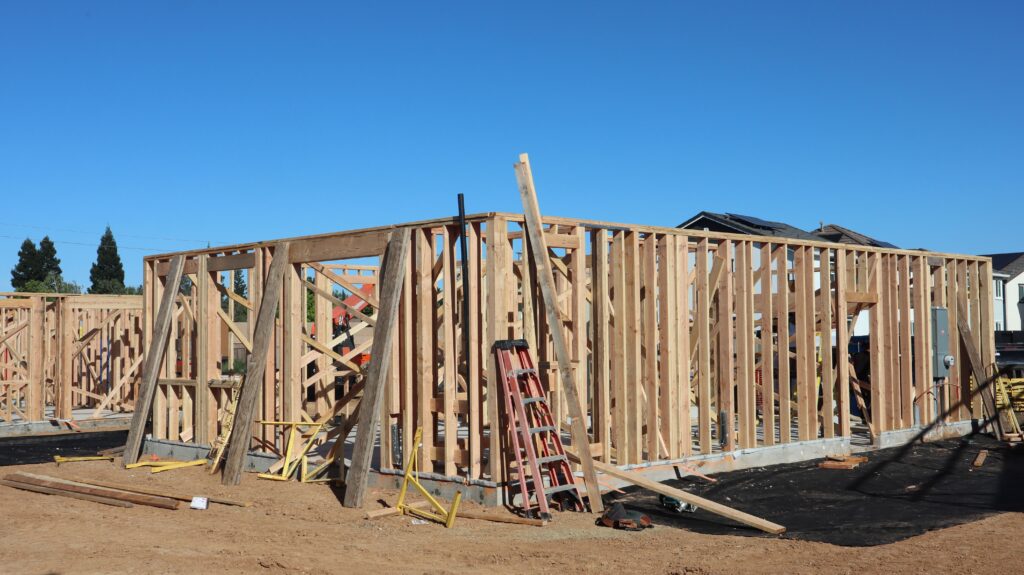
1. Set a Realistic Construction Budget
Before discussing designs or materials, determine how much you can comfortably invest in your home.
Your initial budget should account for more than just the basic construction cost. Consider:
- Architectural and structural design
- Construction materials and labour
- Electrical and plumbing work
- Doors, windows, and flooring
- Interior works
- Approvals and other applicable fees
- A contingency amount for unexpected expenses
Discuss your requirements with your engineer or contractor and ask for a detailed estimate. A clearly defined budget gives you a better understanding of what can realistically be achieved within your investment.
2. Choose the Right Location and Understand Your Site
The location of your property can influence both construction and your home’s long-term usability.
Before finalizing your plans, consider:
- Road access and connectivity
- Availability of water and electricity
- Soil conditions
- Drainage and surrounding areas
- Sunlight and natural ventilation
- Local building regulations
A site assessment can also help your engineer determine suitable structural and foundation requirements.
Good home construction planning starts with understanding the land on which your home will be built.
3. Choose an Experienced Engineer or Contractor
The people you hire can have a major impact on the construction experience and final result.
Before selecting a contractor, ask about:
- Previous residential projects
- Relevant experience
- Construction process
- Material standards
- Project supervision
- Quotation and payment structure
- Client references or completed projects
Do not make your decision based only on the lowest quotation. Compare the scope of work, materials, workmanship, timelines, and services included in each proposal.
For homeowners looking for a construction company in Manamadurai, B2Builders provides services covering construction, structural consulting, plan approval, interior works, 3D elevations, and loan support.
4. Plan Your Home According to Your Lifestyle
A good house design should work for the people who live in it—not simply look attractive on paper.
Think about how your family uses space today and how those needs may change in the future.
Consider:
- Number and size of bedrooms
- Kitchen layout
- Parking requirements
- Storage areas
- Natural lighting
- Cross ventilation
- Privacy
- Future expansion
For example, if you work from home, including a dedicated workspace during the design stage may be more practical than modifying the house later.
Careful planning before construction can reduce expensive changes during the project.
5. Understand the Construction Materials
Materials have a direct impact on the strength, durability, appearance, and maintenance requirements of your home.
Discuss the specifications of important materials such as:
- Cement
- Steel
- Bricks or blocks
- Sand and aggregates
- Plumbing materials
- Electrical wiring
- Tiles and flooring
- Doors and windows
Instead of simply asking for the cheapest option, ask your contractor why a particular material is recommended and where it will be used.
Quality should be considered alongside budget so that you can make informed decisions without unnecessarily increasing costs.
6. Know the Major Stages of Construction
Understanding the house construction process makes it easier to monitor progress.
While the exact sequence can vary, residential construction generally involves stages such as:
- Site preparation and foundation
- Structural construction
- Brick or block work
- Plumbing and electrical installations
- Plastering
- Flooring and other finishing work
- Painting
- Fixtures and final finishing
- Inspection and handover
Ask your contractor for a project schedule with important milestones. This gives you a clearer idea of when major stages should be completed.
7. Check Building Approvals and Documentation
Construction should begin only after the necessary approvals and documentation have been properly addressed.
Depending on the project and applicable local requirements, this may involve building plan approval, permissions, utility-related documentation, and other statutory requirements.
Ask your construction professional:
- Which approvals are required?
- Who will handle the application process?
- What documents are needed?
- Are approval costs included in the quotation?
Taking care of these matters early can help prevent avoidable delays later.
8. Think About Your Future Needs
When building your first home, it is easy to focus only on your current requirements. However, your lifestyle and family may change over time.
Consider whether you may eventually need:
- An additional bedroom
- A home office
- More storage
- Additional parking
- Solar panels
- Rainwater harvesting
- Space for elderly family members
Planning these possibilities during the design stage can make future modifications easier and more cost-effective.
9. Maintain Clear Communication With Your Builder
Good communication is essential throughout construction.
Before work begins, establish how you will receive updates and approve important decisions.
Keep track of:
- Design changes
- Material selections
- Payments
- Construction milestones
- Additional work
- Changes to the original scope
If something needs to be changed, discuss it as early as possible. Written confirmation of major decisions can also help both the homeowner and contractor maintain clarity.
10. Prioritize Quality Over the Lowest Price
Budget matters, but focusing only on the cheapest quotation can create problems later.
When comparing contractors, look at the complete picture:
- Quality of workmanship
- Material specifications
- Engineering expertise
- Project supervision
- Transparency in pricing
- Construction timeline
- Previous projects
- After-sales support
A home is a long-term investment. Paying attention to construction quality during the initial project can help reduce maintenance and repair requirements in the future.
Conclusion
Building Your First Home becomes much easier when you approach the project with proper planning and realistic expectations. From setting your budget and understanding your site to selecting an experienced construction team and choosing suitable materials, each decision contributes to the final quality of your home.
Most importantly, do not rush the planning stage. Take time to discuss your requirements, understand the construction process, compare quotations, and clarify responsibilities before work begins.
If you are planning house construction in Manamadurai, B2Builders can help you through multiple stages of the process, including construction, structural consulting, plan approval, interior works, 3D elevations, and loan support.
Visit https://b2builders.in to learn more about B2Builders and their construction services. If you’re building your first home, start with a clear plan today and take the first step toward creating a home that suits your family for years to come.